
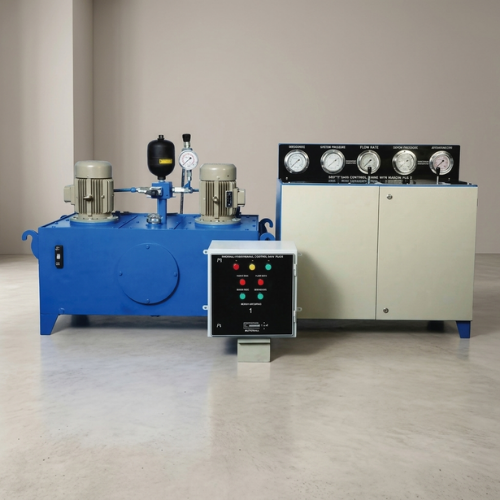
Paper Mill Machinery Manufacturer In Ahmedabad , India
The paper manufacturing industry plays a vital role in supporting packaging, printing, publishing, education, tissue production, and industrial applications worldwide. As demand for high-quality paper products continues to grow, manufacturers require advanced machinery capable of delivering efficient, consistent, and cost-effective production. This is where Paper Mill Machinery becomes essential.
Paper mill machinery refers to a wide range of industrial equipment used throughout the paper manufacturing process, from raw material preparation to final paper finishing. These machines are designed to handle large production volumes while maintaining product quality, minimizing waste, and improving operational efficiency.
Modern paper mills rely on advanced automation, precision engineering, and energy-efficient machinery to meet increasing market demands and environmental standards. Whether producing writing paper, kraft paper, tissue paper, packaging paper, or specialty paper products, the right machinery is the foundation of successful paper manufacturing operations.
What is Paper Mill Machinery?
Paper mill machinery includes all equipment used for converting raw materials such as wood pulp, recycled paper, agricultural waste, and other fibrous materials into finished paper products.
These machines perform multiple functions including:
- Pulp preparation
- Stock processing
- Sheet formation
- Pressing
- Drying
- Calendaring
- Reeling
- Cutting
- Finishing
Each machine plays a specific role in ensuring the final paper meets quality, strength, thickness, and surface requirements.
Importance of Paper Mill Machinery
The efficiency of a paper manufacturing plant depends heavily on the quality and performance of its machinery.
Improved Production Efficiency
Modern machines enable high-speed production while maintaining consistency.
Better Product Quality
Advanced equipment ensures uniform thickness, smoothness, and strength.
Reduced Waste Generation
Precision controls minimize raw material losses.
Lower Operating Costs
Energy-efficient systems reduce production expenses.
Increased Production Capacity
Automated machinery supports large-scale manufacturing operations.
Enhanced Process Control
Modern control systems improve accuracy and productivity.
How Paper Manufacturing Works
The paper manufacturing process involves several stages, each requiring specialized machinery.
Raw Material Preparation
Raw materials such as wood chips, recycled paper, or agricultural fibers are collected and prepared.
Pulping Process
Fibers are separated and converted into pulp.
Stock Preparation
The pulp is cleaned, refined, and mixed to achieve desired paper characteristics.
Sheet Formation
A paper machine forms a continuous sheet from the prepared pulp suspension.
Pressing
Excess water is removed through mechanical pressing.
Drying
The paper sheet passes through heated drying cylinders.
Surface Finishing
The paper surface is smoothed and improved through calendaring.
Reeling and Cutting
Finished paper is wound into rolls or cut into sheets for packaging and distribution.
Major Types of Paper Mill Machinery
Pulping Machine
The pulping machine converts raw fibrous materials into pulp.
It is one of the most important machines in paper production.
Hydrapulper
Used to break down waste paper and recycled materials into pulp.
Widely used in recycling-based paper mills.
Pulp Refiner
Improves fiber quality and enhances paper strength.
Pressure Screen
Removes contaminants from the pulp before paper formation.
Paper Machine
The core machine responsible for forming continuous paper sheets.
It includes several sections such as:
- Headbox
- Wire Section
- Press Section
- Dryer Section
- Reel Section
Vacuum System
Removes excess water during sheet formation.
Dryer Cylinder
Reduces moisture content and improves paper stability.
Calendar Machine
Improves paper smoothness, thickness consistency, and surface finish.
Reel Machine
Collects finished paper into large rolls.
Paper Cutting Machine
Cuts paper rolls into required sizes and formats.
Types of Paper Produced Using Paper Mill Machinery
Modern paper mills manufacture various paper products.
Writing and Printing Paper
Used for books, notebooks, office printing, and educational materials.
Kraft Paper
Widely used in packaging and industrial applications.
Tissue Paper
Used for hygiene and household products.
Duplex Board Paper
Used for packaging cartons and boxes.
Newsprint Paper
Used for newspaper printing.
Specialty Paper
Designed for unique industrial and commercial applications.
Applications of Paper Mill Machinery
Paper mill machinery is used in numerous sectors.
Packaging Industry
Production of corrugated paper, kraft paper, and packaging boards.
Printing Industry
Manufacturing of printing and publishing paper grades.
Educational Sector
Production of notebooks, textbooks, and stationery paper.
Tissue Manufacturing
Production of toilet tissue, napkins, and paper towels.
Industrial Applications
Manufacturing specialty and technical paper products.
Benefits of Modern Paper Mill Machinery
High Production Speed
Modern paper machines operate at significantly higher speeds than traditional systems.
Automation Integration
Advanced controls reduce manual intervention.
Energy Efficiency
Modern designs consume less power and steam.
Consistent Product Quality
Improved process control ensures uniform paper properties.
Reduced Maintenance Requirements
Advanced engineering improves equipment reliability.
Environmental Sustainability
Supports recycling and resource-efficient production.
Automation in Paper Mill Machinery
Today’s paper mills increasingly use automation technologies to improve performance.
Automation features include:
- PLC Control Systems
- SCADA Monitoring
- Digital Process Control
- Quality Monitoring Systems
- Remote Diagnostics
- Production Data Analysis
- Automatic Tension Control
- Smart Sensors
These technologies improve efficiency, reduce downtime, and optimize resource utilization.
Factors to Consider When Selecting Paper Mill Machinery
Production Capacity
Choose machinery capable of meeting current and future production demands.
Raw Material Type
Equipment should be compatible with the intended fiber source.
Paper Grade Requirements
Different paper products require specialized machinery configurations.
Energy Consumption
Energy-efficient systems reduce long-term operating costs.
Automation Level
Higher automation improves productivity and quality control.
Maintenance Support
Reliable service and spare parts availability are important considerations.
Environmental Compliance
Modern machinery should support sustainable manufacturing practices.
Challenges in Paper Manufacturing
Paper manufacturers face several operational challenges.
Rising Energy Costs
Energy consumption remains a major expense.
Raw Material Availability
Fluctuations in fiber supply can impact production.
Environmental Regulations
Manufacturers must comply with strict sustainability requirements.
Quality Consistency
Maintaining uniform product quality requires advanced machinery.
Competitive Market Conditions
Higher efficiency is essential for profitability.
Modern paper mill machinery helps address these challenges through improved productivity and process optimization.
Future of Paper Mill Machinery
The future of paper manufacturing is focused on automation, sustainability, and digital transformation.
Emerging technologies include:
- Artificial Intelligence
- Industry 4.0 Integration
- Predictive Maintenance Systems
- Smart Manufacturing Platforms
- Energy Optimization Solutions
- Advanced Process Analytics
- Automated Quality Inspection
These innovations are helping paper mills achieve higher efficiency while reducing environmental impact.
Why Investing in Quality Paper Mill Machinery Matters
Paper production is a capital-intensive industry where equipment performance directly impacts profitability.
High-quality machinery provides:
- Better production output
- Improved product quality
- Lower operating costs
- Enhanced reliability
- Greater operational flexibility
- Long-term return on investment
For manufacturers seeking sustainable growth, investing in advanced paper mill machinery is a strategic business decision.
Conclusion
Paper Mill Machinery forms the backbone of modern paper manufacturing operations. From pulping and stock preparation to paper formation, drying, finishing, and packaging, these machines ensure efficient production of high-quality paper products across various industries.
As demand for packaging materials, tissue products, printing paper, and specialty paper continues to rise, advanced paper mill machinery will remain essential for improving productivity, maintaining quality standards, and achieving sustainable manufacturing goals. By selecting reliable and technologically advanced equipment, paper manufacturers can strengthen their market position and drive long-term business success.