
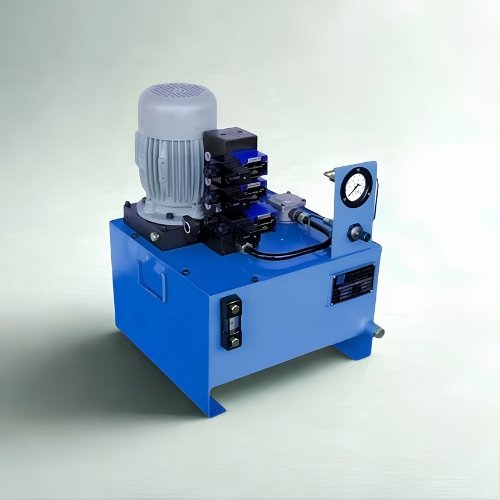
Hydraulic Power Pack Manufacturer In Ahnedabad
In modern industries, hydraulic systems play a crucial role in powering heavy machinery, lifting equipment, presses, testing machines, automation systems, and material handling equipment. The heart of every hydraulic system is the Hydraulic Power Pack, a compact yet powerful unit designed to generate, control, and transmit hydraulic energy to perform various industrial operations.
A hydraulic power pack serves as the central source of hydraulic power, supplying pressurized hydraulic fluid to cylinders, motors, valves, and other hydraulic components. Without a reliable hydraulic power pack, many industrial machines would be unable to perform the heavy-duty tasks required in manufacturing, construction, engineering, mining, and processing industries.
Known for their high force output, efficiency, and precise control, hydraulic power packs have become essential in countless industrial applications where mechanical or electrical systems alone may not provide sufficient power.
What is a Hydraulic Power Pack?
A Hydraulic Power Pack is a self-contained hydraulic system that generates hydraulic pressure and supplies hydraulic fluid to operate various hydraulic equipment and machinery.
The power pack converts mechanical energy into hydraulic energy through a hydraulic pump driven by an electric motor or engine. The generated hydraulic pressure is then transmitted through hoses and valves to perform work such as lifting, pressing, clamping, rotating, bending, or testing.
Hydraulic power packs can be designed in different sizes and capacities depending on the application requirements.
Working Principle of a Hydraulic Power Pack
The operation of a hydraulic power pack is based on Pascal’s Law, which states that pressure applied to a confined fluid is transmitted equally in all directions.
Step 1: Fluid Storage
Hydraulic oil is stored in a reservoir or oil tank.
The reservoir ensures a continuous supply of hydraulic fluid to the system.
Step 2: Pump Operation
The electric motor drives the hydraulic pump.
The pump draws oil from the reservoir and generates hydraulic flow.
Step 3: Pressure Generation
As the pump forces hydraulic oil through the system, pressure is created.
This pressurized fluid becomes the source of hydraulic power.
Step 4: Directional Control
Control valves regulate the flow and direction of hydraulic fluid.
These valves determine how hydraulic actuators perform their functions.
Step 5: Actuator Movement
The hydraulic fluid reaches cylinders or hydraulic motors.
Pressure energy is converted into mechanical force or motion.
Step 6: Return Flow
After completing the operation, the hydraulic fluid returns to the reservoir for reuse.
This cycle continues throughout machine operation.
Major Components of a Hydraulic Power Pack
A hydraulic power pack consists of several essential components.
Hydraulic Reservoir
Stores hydraulic oil required for system operation.
The reservoir also helps dissipate heat and remove contaminants.
Hydraulic Pump
The pump is responsible for generating fluid flow and pressure.
Common pump types include:
- Gear Pumps
- Vane Pumps
- Piston Pumps
Electric Motor
Provides mechanical power to drive the hydraulic pump.
Pressure Relief Valve
Protects the hydraulic system from excessive pressure.
Direction Control Valve
Controls the direction of fluid flow.
Hydraulic Filters
Remove contaminants and maintain oil cleanliness.
Pressure Gauges
Monitor hydraulic system pressure.
Hydraulic Cylinders
Convert hydraulic energy into linear mechanical force.
Hydraulic Motors
Convert hydraulic energy into rotary motion.
Types of Hydraulic Power Packs
Standard Hydraulic Power Pack
Designed for general industrial applications.
Suitable for presses, lifting systems, and hydraulic machinery.
Mobile Hydraulic Power Pack
Portable units used in construction sites and field operations.
Electric Hydraulic Power Pack
Powered by electric motors.
Commonly used in factories and industrial facilities.
Diesel Hydraulic Power Pack
Powered by diesel engines.
Ideal for outdoor and remote operations.
Compact Hydraulic Power Pack
Space-saving units designed for machines with limited installation space.
High Pressure Hydraulic Power Pack
Designed for applications requiring extremely high operating pressures.
Advantages of Hydraulic Power Packs
High Power Output
Hydraulic systems can generate extremely high force from compact equipment.
Precise Control
Hydraulic power allows accurate control of speed, force, and movement.
Compact Design
A single power pack can operate multiple hydraulic functions.
Reliable Performance
Hydraulic systems provide consistent operation under demanding conditions.
Flexible Installation
Power packs can be customized for various industrial requirements.
Long Service Life
Properly maintained hydraulic systems offer excellent durability.
Energy Efficiency
Modern hydraulic power packs are designed to minimize energy consumption.
Industrial Applications of Hydraulic Power Packs
Hydraulic Press Machines
Power packs provide the force required for pressing, forming, and stamping operations.
Valve Testing Machines
Hydraulic pressure is used for clamping and pressure testing applications.
Hydro Test Machines
Hydraulic power packs generate test pressure for industrial testing systems.
Material Handling Equipment
Used in lifting tables, stackers, cranes, and loading systems.
Construction Equipment
Supports hydraulic functions in construction machinery.
Injection Molding Machines
Provides hydraulic power for mold operation and clamping systems.
Steel Industry
Used in rolling mills, shearing machines, and heavy-duty equipment.
Mining Industry
Operates drilling, lifting, and excavation systems.
Marine Industry
Supports hydraulic winches, steering systems, and lifting equipment.
Hydraulic Power Pack vs Pneumatic Power System
Both hydraulic and pneumatic systems are used for industrial power transmission.
Hydraulic Power Pack
- Uses hydraulic oil
- Generates higher force
- Suitable for heavy-duty applications
- Provides precise control
- Operates at high pressures
Pneumatic System
- Uses compressed air
- Suitable for lighter applications
- Faster operation
- Lower force generation
- Simpler maintenance
For applications requiring significant force and precision, hydraulic systems are generally preferred.
Factors to Consider When Selecting a Hydraulic Power Pack
Required Operating Pressure
Determine the pressure needed for the application.
Flow Rate Requirements
Calculate the hydraulic flow required by actuators and equipment.
Motor Power
Select a motor capable of handling the required workload.
Reservoir Capacity
Ensure sufficient oil storage for continuous operation.
Duty Cycle
Consider how frequently the system will operate.
Environmental Conditions
Evaluate operating temperature, humidity, and contamination levels.
Future Expansion
Choose a power pack that can accommodate future hydraulic requirements.
Maintenance Tips for Hydraulic Power Packs
Proper maintenance ensures reliable performance and long equipment life.
Monitor Hydraulic Oil
Regularly check oil levels and oil quality.
Replace Filters
Dirty filters reduce efficiency and can damage components.
Inspect Hoses and Connections
Check for leaks, cracks, and wear.
Monitor Pressure Levels
Abnormal pressure readings may indicate system issues.
Maintain Cleanliness
Prevent contamination of hydraulic fluid.
Follow Service Schedules
Routine maintenance reduces downtime and extends equipment lifespan.
Emerging Trends in Hydraulic Power Pack Technology
Modern hydraulic systems are becoming smarter and more efficient.
Recent developments include:
- Variable Speed Drive Systems
- Energy-Efficient Hydraulic Pumps
- PLC-Based Controls
- Remote Monitoring Systems
- IoT Integration
- Smart Diagnostics
- Automated Pressure Control
- Compact Modular Designs
These innovations improve productivity while reducing energy consumption and maintenance costs.
Why Hydraulic Power Packs are Essential in Modern Industries
Industries require equipment capable of delivering high force, precise movement, and reliable operation. Hydraulic power packs fulfill these requirements efficiently and economically.
Their versatility allows them to power a wide range of industrial machinery while maintaining excellent control and performance. As industrial automation continues to grow, hydraulic power packs remain a critical component in modern manufacturing and engineering operations.
Conclusion
A Hydraulic Power Pack is the foundation of many hydraulic systems used across industrial sectors. By generating and controlling hydraulic pressure, these units provide the power needed for lifting, pressing, testing, clamping, and various heavy-duty operations.
From valve testing machines and hydro test systems to construction equipment and manufacturing machinery, hydraulic power packs deliver reliable performance, high efficiency, and precise control. With proper design, selection, and maintenance, a hydraulic power pack can significantly enhance productivity, reduce downtime, and support long-term industrial success.