
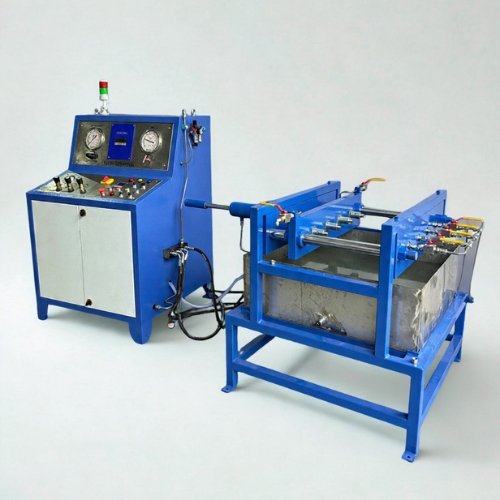
Valve Testing Machine Manufacturer In Ahmedabad , India
Industrial valves are among the most critical components used in pipelines, processing plants, refineries, power stations, water treatment facilities, chemical industries, and manufacturing units. These valves regulate, control, isolate, and direct the flow of liquids, gases, steam, and other process media. Since valves often operate under extreme pressure and demanding conditions, ensuring their performance and reliability before installation is essential.
A Valve Testing Machine is specifically designed to evaluate the pressure resistance, leakage performance, structural strength, and operational reliability of industrial valves. Without proper testing, even a minor valve defect can result in production downtime, product loss, environmental hazards, safety risks, and expensive maintenance costs.
Modern industries cannot afford valve failures. Therefore, valve testing machines have become an indispensable part of valve manufacturing, maintenance, refurbishment, and quality assurance operations.
What is a Valve Testing Machine?
A Valve Testing Machine is a specialized industrial testing system used to verify whether a valve can withstand specified pressure conditions and perform reliably under operating environments.
The machine applies hydraulic or pneumatic pressure to the valve and evaluates various parameters such as:
- Body strength
- Seat leakage
- Shell integrity
- Operational performance
- Pressure holding capability
- Sealing effectiveness
These tests help manufacturers ensure that every valve meets industry standards and customer specifications before dispatch.
Valve testing machines are widely used for testing:
- Gate Valves
- Globe Valves
- Ball Valves
- Butterfly Valves
- Check Valves
- Plug Valves
- Control Valves
- Safety Valves
- Pressure Relief Valves
A Valve Testing Machine is specifically designed to evaluate the pressure resistance, leakage performance, structural strength, and operational reliability of industrial valves. Without proper testing, even a minor valve defect can result in production downtime, product loss, environmental hazards, safety risks, and expensive maintenance costs.
Modern industries cannot afford valve failures. Therefore, valve testing machines have become an indispensable part of valve manufacturing, maintenance, refurbishment, and quality assurance operations.
Why Valve Testing is Essential
Valves are often installed in critical systems where failure can cause serious operational and financial consequences.
Proper valve testing helps industries:
Ensure Product Quality
Every manufactured valve must perform according to its design specifications.
Testing confirms that the valve meets quality requirements before delivery.
Prevent Leakage
Leakage can lead to product loss, environmental pollution, and safety hazards.
Valve testing helps identify sealing issues before installation.
Improve Operational Safety
High-pressure systems require reliable valves.
Testing minimizes the risk of accidents caused by valve failure.
Reduce Maintenance Costs
Detecting defects during manufacturing is significantly less expensive than repairing failures in the field.
Comply with Industry Standards
Valve testing ensures compliance with recognized standards and customer requirements.
Working Principle of a Valve Testing Machine
A valve testing machine evaluates valve performance by subjecting it to controlled pressure conditions.
Valve Positioning
The valve is securely mounted within the testing fixture.
Hydraulic clamping systems hold the valve firmly in place during testing.
Pressure Application
The testing medium is introduced into the valve.
Depending on testing requirements, the medium may be:
- Water
- Air
- Nitrogen
- Hydraulic fluid
Pressure Build-Up
The machine gradually increases pressure to the required testing level.
Advanced control systems maintain precise pressure throughout the test.
Leakage Inspection
The valve is monitored for:
- Body leakage
- Seat leakage
- Stem leakage
- Structural deformation
Performance Evaluation
Results are compared against acceptance criteria to determine whether the valve passes or fails the test.
Major Tests Performed by Valve Testing Machines
Hydrostatic Shell Test
The shell test verifies the structural integrity of the valve body.
The valve is filled with water and pressurized above its operating pressure.
The purpose is to ensure that the valve body can withstand pressure without cracking or leaking.
Seat Leakage Test
This test evaluates the sealing performance of the valve seat.
The valve is closed and pressure is applied to determine whether leakage occurs through the seating surfaces.
Back Seat Test
The back seat test verifies the sealing capability around the valve stem assembly.
Pneumatic Leakage Test
Compressed air or nitrogen is used to detect even the smallest leaks.
This test is highly sensitive and commonly used for precision applications.
Operational Test
The valve is opened and closed repeatedly to verify smooth operation and functionality.
High Pressure Test
Used for valves designed for extreme pressure applications.
This test confirms performance under demanding operating conditions.
Types of Valve Testing Machines
Horizontal Valve Testing Machine
Horizontal models are commonly used for medium and large valves.
They provide excellent accessibility and simplify loading and unloading operations.
Vertical Valve Testing Machine
Vertical machines are often preferred for compact testing facilities and smaller valve sizes.
Hydrostatic Valve Testing Machine
Designed specifically for water pressure testing applications.
Used extensively for shell and pressure integrity testing.
Pneumatic Valve Testing Machine
Uses compressed air or gas to evaluate leakage and sealing performance.
Automatic Valve Testing Machine
Equipped with PLC controls, sensors, automation systems, and digital monitoring.
These machines improve productivity and testing accuracy.
Portable Valve Testing Machine
Ideal for on-site maintenance and field testing operations.
Allows valves to be tested without transporting them to a dedicated testing facility.
Components of a Valve Testing Machine
Hydraulic Clamping Unit
Secures the valve during testing.
Pressure Generation System
Generates the required hydraulic or pneumatic pressure.
Test Chamber
Provides a safe environment for conducting pressure tests.
Control Panel
Allows operators to monitor and control testing operations.
Pressure Gauges
Measure pressure accurately throughout the testing cycle.
Safety Devices
Protect operators and equipment from overpressure conditions.
Data Recording System
Stores test results for quality documentation and traceability.
Benefits of Using a Valve Testing Machine
Reliable Quality Assurance
Ensures every valve meets performance specifications.
Improved Safety Standards
Reduces the possibility of valve failure in critical systems.
Faster Testing Process
Modern machines allow rapid testing with minimal manual intervention.
Enhanced Customer Confidence
Certified testing increases customer trust and product credibility.
Reduced Product Rejection
Early defect identification prevents defective valves from reaching the market.
Better Compliance Management
Supports adherence to national and international testing standards.
Industries That Use Valve Testing Machines
Oil and Gas Industry
Valves used in exploration, refining, and transportation require extensive testing before deployment.
Petrochemical Industry
Critical process valves must meet stringent pressure and leakage requirements.
Power Generation Plants
Steam and process valves undergo testing to ensure operational reliability.
Water Treatment Facilities
Valve testing ensures efficient flow control and leak prevention.
Chemical Manufacturing
Chemical processing plants depend on tested valves for safe operations.
Marine Industry
Shipbuilding and offshore installations require pressure-tested valves.
Valve Manufacturing Industry
Valve testing machines are essential for final inspection and quality assurance.
Factors to Consider Before Purchasing a Valve Testing Machine
Valve Size Capacity
Choose a machine that accommodates your required valve size range.
Maximum Testing Pressure
The machine should support your highest pressure testing requirements.
Testing Media Compatibility
Ensure compatibility with hydraulic and pneumatic testing applications.
Automation Level
Automatic machines improve productivity and reduce operator involvement.
Safety Features
Look for pressure relief systems, safety guards, and emergency controls.
Data Recording Capability
Digital reporting improves traceability and quality documentation.
Maintenance Requirements
Select a machine designed for long-term reliability and easy servicing.
Latest Trends in Valve Testing Technology
Industrial testing systems are becoming increasingly advanced.
Modern valve testing machines now include:
- PLC-based automation
- Touchscreen control panels
- Digital pressure monitoring
- Automatic leak detection
- Computerized test reporting
- Real-time data logging
- Remote monitoring systems
- Industry 4.0 integration
These innovations help manufacturers achieve higher productivity and better quality control.
How Valve Testing Machines Improve Manufacturing Efficiency
Valve testing machines not only ensure quality but also improve production efficiency.
Manufacturers can quickly identify defects, reduce rework, minimize warranty claims, and maintain consistent product standards.
Automated testing systems also reduce labor costs and improve testing accuracy, making them a valuable investment for valve manufacturers.
Conclusion
A Valve Testing Machine is an essential quality assurance solution for industries that manufacture, repair, or use industrial valves. By performing hydrostatic testing, pneumatic testing, leakage testing, and operational verification, these machines help ensure valve safety, reliability, and compliance with industry standards.
From oil and gas facilities to power plants, chemical industries, water treatment systems, and manufacturing units, valve testing machines play a critical role in maintaining operational safety and product quality. Investing in a reliable valve testing machine not only improves testing accuracy but also enhances customer confidence, reduces operational risks, and supports long-term business growth.