
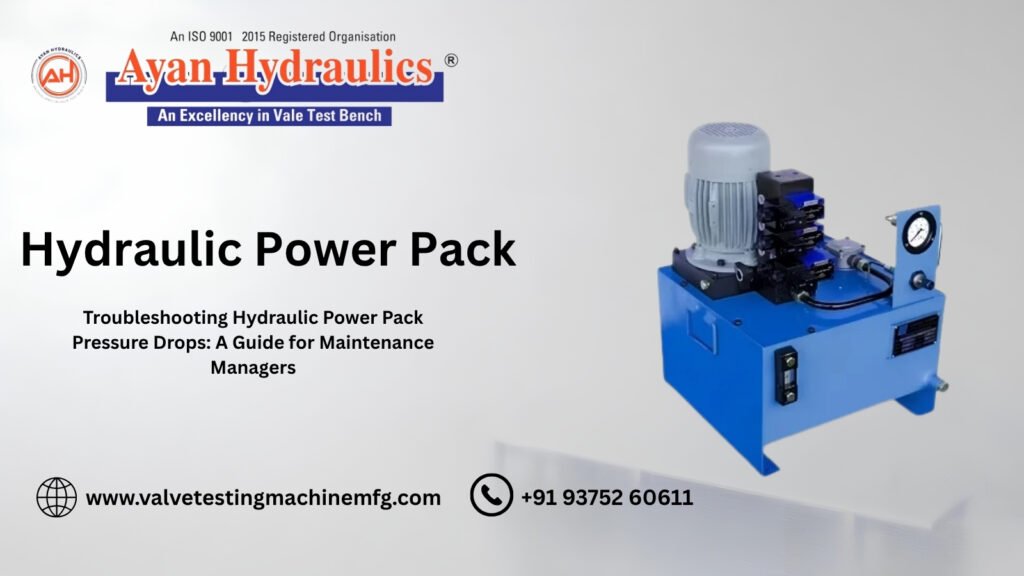
A hydraulic power pack is the beating heart of your industrial machinery. Whether it is driving a heavy-duty press, powering a valve test bench, or managing operations in a paper mill, a sudden drop in pressure can result in costly downtime and reduced production quality.
If your system is not maintaining the necessary force, it is time for a systematic diagnostic approach. Here is how you can troubleshoot and resolve common pressure issues.
1. Identifying the Root Cause of Pressure Loss
When a hydraulic system fails to maintain pressure, the issue usually stems from one of these three critical areas:
Fluid Contamination (The Silent Killer): If dirt, dust, or metal shavings enter the reservoir, they can lodge in the relief valves or cause internal bypass. This leads to inefficient flow and a significant pressure drop.
Worn Seals and Internal Leakage: Over time, seals within your Hydraulic Cylinders or pump can degrade. Internal leakage causes fluid to bypass the piston, meaning the system works harder to deliver less force.
Relief Valve Malfunction: The relief valve is designed to vent excess pressure. If it is set too low or becomes stuck in an “open” position, your system pressure will never reach the required threshold.
Pump Cavitation: If the pump is not receiving enough fluid (often due to clogged suction filters), it will create air bubbles. This leads to noise, vibration, and erratic pressure.
2. Semantic Cluster: Improving System Reliability
To maintain a high-performing Hydraulic Power Pack, you must treat maintenance as a cluster of related activities:
Filtration Strategy: Never skip the oil filter change. Using high-quality filtration is the most effective way to prevent the “contamination cycle.”
Thermal Management: If your system runs too hot, the oil viscosity drops, which leads to increased internal leakage. Ensure your heat exchangers are free of debris.
Pressure Transducer Accuracy: Ensure that the pressure you think you have is actually what the system is delivering. Always calibrate your gauges against a master reference.
3. Step-by-Step Troubleshooting Checklist
If you encounter a pressure issue, follow these steps before calling for a major overhaul:
Step 1: Check the fluid level and color. Cloudy or dark oil indicates immediate degradation.
Step 2: Listen for “cavitation” noise (often sounds like gravel in the pump). If present, check the suction line immediately.
Step 3: Visually inspect all external fittings and hoses for signs of fluid seepage or “weeping.”
Step 4: Adjust the relief valve according to your system’s technical datasheet to see if it responds to the change.
4. When to Upgrade Your Power Unit
Sometimes, the issue isn’t a fault—it is capacity. If your production requirements have increased (e.g., adding more load to a paper mill process), your existing power pack may be undersized. Running a system at its limit 24/7 leads to premature failure.
As a manufacturer based in Ahmedabad, we often help clients design custom, high-efficiency power packs that are specifically calculated for their current industrial load, preventing these common pressure-drop issues before they start.
Conclusion
Don’t ignore the warning signs of a pressure drop. Proactive maintenance is the best way to extend the lifespan of your hydraulic assets and keep your production running at peak efficiency.
Need a robust, high-performance power unit? View our range of custom-engineered Hydraulic Power Packs here to ensure your operations never slow down.