
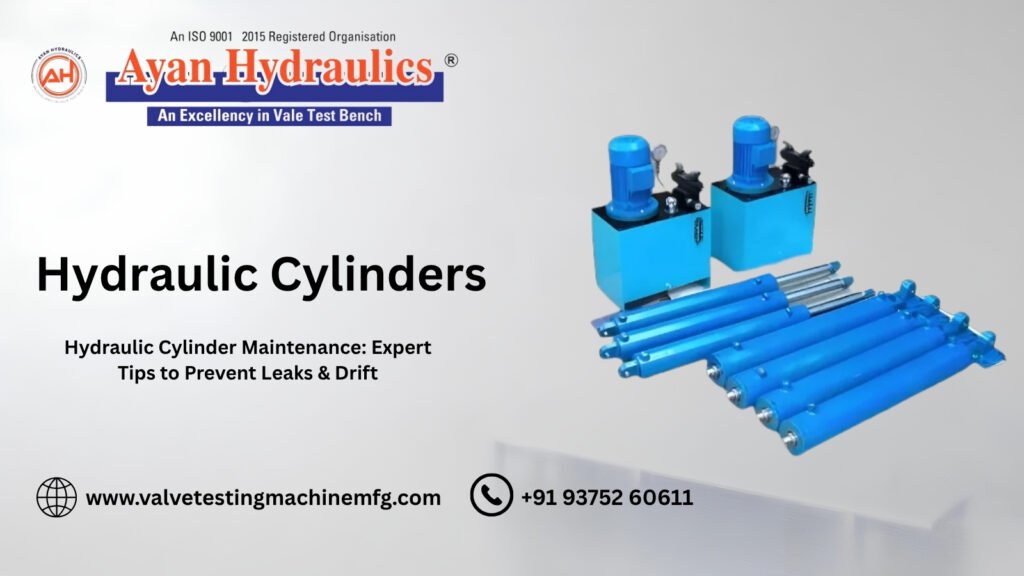
Hydraulic cylinders are the workhorses of industrial machinery. Whether they are operating a heavy-duty hydraulic press or providing the motion for paper mill machinery, cylinders are subject to immense pressure and harsh environmental conditions.
If your machinery is showing signs of “drift” (where the cylinder creeps under load) or external fluid leaks, it is a clear indicator that your maintenance strategy needs an upgrade. Here is how to keep your cylinders performing at peak levels.
1. Understanding the Anatomy of Failure
Cylinders fail primarily due to three factors: Seal degradation, Rod damage, and Fluid contamination.
The Semantic Link: By addressing these, you improve System Uptime and Force Consistency.
Internal Leakage (Drift): If your cylinder drifts, it means the high-pressure fluid is bypassing the piston seal. This often occurs because the seal has hardened or was improperly installed.
External Leakage: This is usually a failure of the rod seal or the wiper seal, often caused by scratches on the cylinder rod.
2. Best Practices for Cylinder Longevity
To avoid the “replace vs. repair” dilemma, integrate these maintenance habits into your factory schedule:
Rod Protection: The cylinder rod surface must be mirror-smooth. If you see nicks, rust, or pitting, the seal will be cut within hours of operation. Keep the rod clean and lubricated.
Contamination Control: Hydraulic fluid acts as a carrier for abrasive particles. Even microscopic dust can act like sandpaper on your seals. Use a high-quality Hydraulic Power Pack with fine-micron filtration to protect your cylinders.
Proper Alignment: If the cylinder is slightly misaligned with the load, it will put “side-loading” pressure on the piston, causing premature wear on the cylinder wall.
3. Step-by-Step Seal Inspection
Regularly inspect the “weep” at the rod gland:
Monitor Fluid Levels: If you are constantly topping off the reservoir, check the cylinder rods first.
Check for “Stick-Slip”: If the cylinder moves in jerky motions rather than a smooth stroke, your seals are likely sticking due to lack of lubrication or hardening.
Perform a Pressure Test: Use your existing Testing Equipments to verify the cylinder’s holding capacity against the manufacturer’s spec.
4. When to Replace Your Hydraulic Cylinder
Repairing a cylinder is often cost-effective, but there is a breaking point. If the cylinder barrel is scored (scratched on the inside) or if the rod is bent, repairing it may not be worth the investment.
At our manufacturing facility in Ahmedabad, we focus on producing heavy-duty Hydraulic Cylinders that use high-grade plating and premium seal materials. Investing in a robustly built cylinder initially reduces the frequency of maintenance cycles and saves your plant from emergency downtime.
Conclusion
A proactive approach to cylinder maintenance is the key to preventing catastrophic production failures. By keeping the rod clean, ensuring fluid purity, and checking for seal wear, you can significantly extend the operational life of your hydraulic systems.
Need a replacement or a custom-engineered solution? View our full range of durable Hydraulic Cylinders designed for high-stress industrial applications here.